Gift Shop MCA Debt: The Holiday Inventory Squeeze

Holiday inventory orders are due now, and MCA debits don't pause for Q4. Here's how stacked advances collide with the season and what to do about it.
The Clock Is Already Running on Your Holiday Season

It’s September, and if you run a gift shop, a boutique, a card-and-candle store, anywhere that lives or dies on Q4, you already know what’s coming. The next eight weeks decide whether this holiday season saves your year or buries it. Ornaments, stocking stuffers, the specialty items that don’t ship overnight from a warehouse three states away, all of it needs to be ordered, paid for, and on the shelves well before Black Friday. That takes cash, upfront, right now.
And if you’re one of the thousands of small retailers carrying a merchant cash advance, or two, or four, you already feel the collision coming. The daily debit doesn’t pause for holiday buying season. It doesn’t care that your biggest revenue days are still ten weeks out. It just keeps pulling from the account you need to build for November and December.
Here’s what this article walks through: how the holiday inventory crunch collides with stacked MCA debt, what funders have already filed against your business without you fully realizing it, and the real, legal options for getting out from under the stack before Q4 locks you into another year of the same cycle.
Why Holiday Buying Season Is the Worst Time to Be Stacked

Specialty retail runs on a brutal calendar. Most seasonal inventory has to be ordered, received, and shelved before Black Friday, which means purchase orders go out now, in September and early October. Meanwhile, the daily or weekly ACH debit on an MCA doesn’t move. Sign for a $60,000 advance at a 1.35 factor rate and you owe $81,000 back, typically collected over four to six months, whether or not your busiest sales days have arrived yet.
Run the math and the trap becomes obvious: the weeks you need the most working capital to buy inventory are the same weeks a funder is draining your operating account to collect on money you already spent last spring. Owners in this position often reach for a second advance just to plug the gap, and that’s the first domino in a stacking spiral that gets dramatically harder to unwind. The U.S. Small Business Administration’s own guidance on managing business finances exists precisely because this collision is so common and so predictable.
The good news: predictable problems have known solutions. You don’t have to choose between stocking your shelves and staying current on an advance you can no longer sustain.
How One Advance Becomes Four Before You Notice
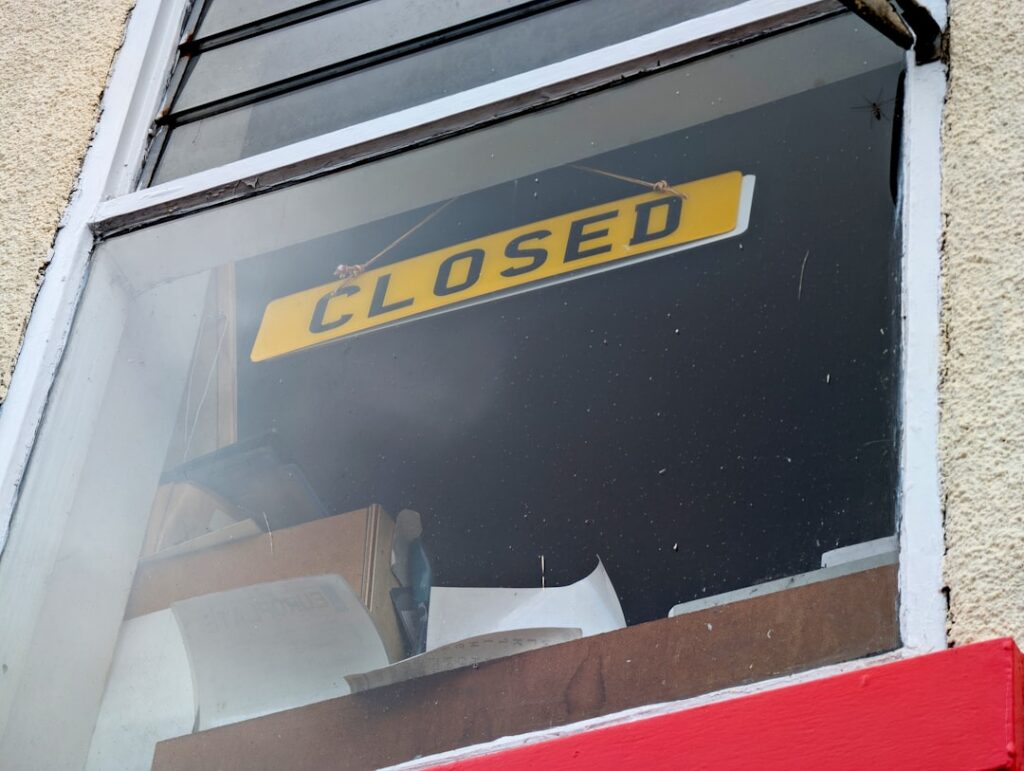
Almost nobody sets out to stack merchant cash advances. It happens one reasonable-sounding decision at a time. A retailer takes a $40,000 advance in the spring to restock after a slow winter. Cash gets tight over the summer, so a second, smaller advance covers payroll. Two daily debits are now hitting the account, cutting into the cushion that used to absorb a slow week, so when the September inventory order comes due, a third advance starts to feel like the only option.
Reconciliation clauses are supposed to be the safety valve here, the contract provision that lets a merchant request a reduced debit during a genuinely slow stretch, tied to actual revenue rather than a fixed daily number. In practice, funders can be slow to grant them, and once multiple advances are stacked, more than one lender is pulling from the same shrinking account. The Federal Reserve’s Small Business Credit Survey has repeatedly found that fast, high-cost alternative financing like MCAs is used disproportionately by the same small retailers who can least absorb multiple daily debits, precisely the businesses staring down a holiday inventory order right now.
Recognizing the pattern early is what makes it fixable. Recognizing it in November, after the fourth advance, is a much harder conversation.
What Your Funder Already Filed Against Your Business

Most gift shop and boutique owners never read the fine print closely enough to notice this: nearly every MCA agreement includes a UCC-1 filing that gives the funder a security interest in your business assets, inventory, receivables, equipment, recorded in your state’s public filing system. Under Article 9 of the Uniform Commercial Code, that filing establishes the funder’s priority claim if things go sideways. Stack four advances and you may have four UCC-1s layered on the same assets, each funder watching the others.
Some contracts also include a confession of judgment, or COJ, a clause where you agree in advance to let the funder obtain a judgment against you without a court hearing if you default. New York amended its civil procedure law in 2019 to bar confessions of judgment against out-of-state debtors specifically because of how aggressively they were being used against small merchants nationwide. Depending on where your business is registered and which state’s law governs your contract, a confession of judgment clause may or may not still be enforceable against you, which is exactly the kind of thing worth a specific legal read before you assume the worst.
None of this is disclosed to scare you. It’s disclosed because knowing what’s actually been filed against your business is the starting point for negotiating your way out of it.
The Options That Exist Before You Place Another Order

This is the part most owners don’t hear about until they’re already deep into the stack: you have real, legal paths to resolve MCA debt that don’t involve taking on a fifth advance. A hardship request, backed by your actual bank statements, can sometimes get a funder to agree to a temporary reduced debit while you get through the holiday buying window. A structured settlement, a negotiated, lower payment over a defined period, can replace several chaotic daily debits with one predictable one. A lump-sum settlement, where a funder agrees to accept a reduced payoff in exchange for closing the account immediately, can end the bleeding altogether.
We’ve seen structured negotiations bring six-figure stacked balances down 70%, 80%, even 90% in past settlements. Results vary and are not guaranteed, but the pattern holds often enough that it’s always worth exploring before assuming you’re stuck. For businesses with steadier fundamentals, an SBA 7(a) loan can occasionally refinance MCA debt into a single lower-cost term loan, though most banks won’t touch a business carrying active daily debits, so timing and sequencing matter.
The point is simple: there’s a menu of options here, and almost none of them involve just gritting your teeth through another debit cycle and hoping December saves you.
What This Looks Like in Practice

Picture a boutique gift retailer carrying four stacked advances totaling roughly $118,000 in remaining balance, with daily debits pulling close to $2,100 out of the account before the doors even open. Heading into September with a holiday inventory order due, the owner faced two options: take a fifth advance to cover the order, or negotiate. Through a structured resolution process, the funders were brought to the table one at a time, and the total balance was resolved at roughly $34,000, a reduction of about 71%, freeing up the cash needed to place the holiday order without new debt.
That’s a composite scenario built from patterns seen across past settlements, not a promise of what will happen with any specific account. Every negotiation depends on which funders are involved, the contract terms, and the business’s actual financials. Past performance does not predict future results. But it illustrates what’s structurally possible when a business owner stops treating each advance as a separate fire to put out and instead addresses the full stack at once.
What to Do Before You Sign for Another Advance

September is the month that decides your holiday season, and if you’re carrying stacked MCA debt, it’s also the month that decides whether next year looks any different. The inventory order is coming whether or not the daily debits ease up. The good news is that you’re not actually choosing between the two. Negotiated paths, hardship requests, structured settlements, lump-sum payoffs, exist specifically for business owners in exactly this position.
This information addresses commercial business debt for retailers and other small businesses; it is not consumer debt advice, and results vary and are not guaranteed from one situation to the next. Creditors may not always agree to proposed terms, and every stack of advances is different. But before you sign for another advance just to get through Black Friday, it’s worth a conversation with an MCA Relief Specialist or a business attorney who can look at your specific contracts, your specific UCC filings, and your specific numbers. There is a way to walk into Q4 without a fifth funder in the mix, most owners just don’t know it exists until someone lays it out for them.
Photo credits: Featured image by Yazid N on Unsplash; Section 1 by Jaipreet Singh on Unsplash; Section 2 by SumUp on Unsplash; Section 3 by Pixel Shot on Unsplash; Section 4 by Vitaly Gariev on Unsplash; Section 5 by Vitaly Gariev on Unsplash; Section 6 by David Trinks on Unsplash; Section 7 by Vitaly Gariev on Unsplash.