Towing MCA Debt: Municipal Contract Payment Lag
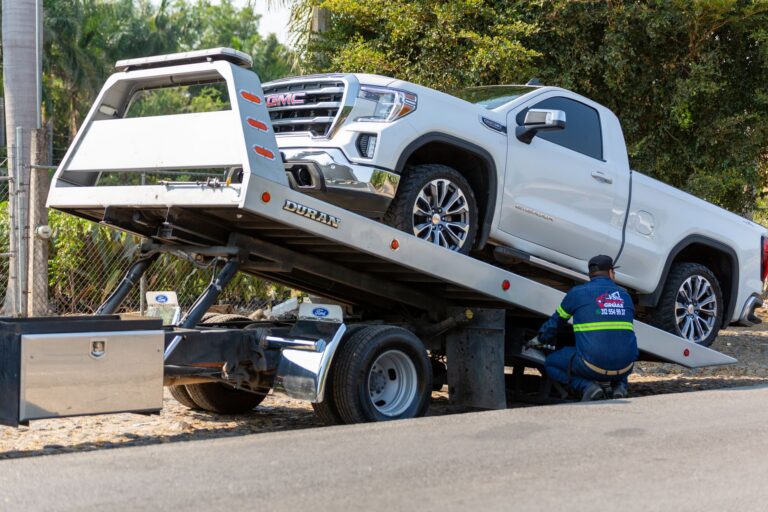
Towing companies waiting 60-90 days on municipal impound contracts face a brutal mismatch with daily MCA debits. Here's how to fix it.
When the City Pays in 90 Days and Your MCA Debits Daily

If you run a towing company, you already know the math doesn’t add up. You land a municipal contract, a police rotation slot, or a county impound agreement, and it feels like the stability you’ve been chasing. Then the first invoice goes out net-60 or net-90, sometimes longer if a city finance office is backed up, and you realize your merchant cash advance doesn’t care. It debits your account every single business day, rain or shine, contract or no contract.
That mismatch is one of the most common reasons tow operators end up stacked with three, four, even five advances. You’re not mismanaging the business. You’re running a company with enterprise-grade receivables timing and small-business cash flow. The good news: there’s a real fix for this, and it doesn’t require taking on another advance to survive the wait. Let’s walk through exactly what’s happening and what you can do about it.
How Towing MCA Debt Actually Works

A merchant cash advance isn’t technically a loan; it’s a purchase of your future receivables at a discount, priced with a factor rate instead of an interest rate. A $60,000 advance at a 1.40 factor rate means you owe $84,000 back, collected through daily or weekly ACH debits pulled straight from your business bank account, regardless of whether a tow truck rolled that day.
For a towing operation, that structure collides head-on with how the industry actually gets paid. Consumer tows and private-property jobs pay fast, sometimes same-day through a card swipe at the lot. But police rotation calls, municipal impound work, and government fleet contracts run through purchase-order and accounts-payable cycles that were never designed to move quickly. The U.S. Small Business Administration has long flagged receivables timing as one of the top reasons small contractors turn to expensive short-term capital in the first place — the work is real, the payment just isn’t there yet.
The Municipal Contract Trap

Winning a city or county towing rotation is usually a win on paper. It’s steady call volume, it looks great to a bank, and it can be the difference between a two-truck operation and a real fleet. But municipal accounts payable departments run on their own clock. Invoices route through dispatch verification, then a finance office, then a budget cycle, and 60 to 90 days from tow to deposit is common. Some agencies pay quarterly.
Meanwhile, your MCA provider is pulling a fixed percentage of your daily card and ACH deposits, or a flat daily amount, whether or not the municipal check has cleared. Owners often respond by taking a second advance specifically to bridge that gap — and that’s exactly the moment stacking begins. Each new advance adds its own daily debit on top of the ones already running, shrinking the cash available to cover fuel, driver payroll, and truck maintenance even further.
It gets worse during contract renewal season. Cities often renegotiate rotation agreements annually, and a lapse or a competitive rebid can freeze payments for weeks while paperwork moves through procurement. If your fleet financing and MCA debits were sized around the assumption that the contract revenue would keep flowing on schedule, that gap alone can be enough to push a stable operation into default.
Why Towing Companies End Up Stacked

Once a second or third funder is in the mix, most MCA contracts include a reconciliation clause that’s supposed to let you request a temporary adjustment to your debit amount if revenue drops. In practice, funders that aren’t in first position are far less willing to grant it, since any relief they extend benefits the funder sitting ahead of them in priority.
Most MCA agreements are also secured by a UCC-1 filing against your business assets and receivables — and for a towing company, that can include the trucks, winches, and flatbeds themselves, along with a personal guarantee from the owner. Article 9 of the Uniform Commercial Code, as summarized by Cornell Law School’s Legal Information Institute, governs how these security interests attach and get enforced. When multiple funders have filed against the same collateral, the resulting priority fights make any one-off settlement conversation harder — which is exactly why owners need a plan that addresses every funder at once, not one call at a time.
The Options Most Owners Don't Know Exist

Here’s what we want every tow operator reading this to understand: you are not out of options just because you’re stacked. Funders large and small — names like OnDeck Capital, CAN Capital, and Forward Financing among them — have well-established processes for resolving delinquent balances outside of court, because it’s often the fastest way for them to recover something rather than nothing. That works in your favor when the right person is negotiating on your behalf.
A lump-sum settlement resolves a balance in one payment, often once a municipal contract check finally clears, typically at a steep discount off the original balance. A structured payment plan spreads a negotiated, reduced payoff over months instead of daily debits, sized to what your actual cash flow — not your contract’s face value — can support. We’ve seen structured negotiations bring six-figure stacked balances down 60%, 70%, even higher in past settlements. Results vary and every funder relationship is different, but the leverage is real, especially once a business owner stops trying to out-negotiate five funders alone and brings in someone who does this full time.
Confessions of Judgment, UCC Liens, and Your Trucks
Before you decide to just stop paying and hope for the best, understand what’s actually in your contract. Many MCA agreements — particularly older ones or those signed outside New York — include a confession of judgment (COJ), a clause where you pre-authorize a judgment against your business without a court hearing. New York banned enforcement of COJs against out-of-state small businesses back in 2019 after well-documented abuse, a shift the Consumer Financial Protection Bureau has tracked as part of its broader small-business lending data work, but COJs remain enforceable in a number of other states depending on where the contract was signed.
Combine a COJ with a UCC-1 lien on your fleet, and a default can move from missed debit to garnished bank account, or worse, a lien enforcement action against the trucks you need to keep operating, faster than most owners expect. That’s precisely why default decisions on stacked towing MCA debt shouldn’t be made alone at 11pm after a bad week — a negotiated resolution started early, before a funder escalates to legal action, gives you far more control over the outcome.
Owners with a strong municipal contract history and steady non-MCA revenue sometimes ask about refinancing out of the daily-debit structure entirely. It’s not a fit for every stacked situation — an SBA-backed loan generally requires financials that a heavily-stacked business doesn’t have yet — but for operators who resolve their MCA balances first through settlement or restructuring, it can be a path to permanently lower-cost financing down the road instead of another short-term advance.
What to Do Next If Your Towing Business Is Stacked

You built a fleet, won municipal contracts, and kept trucks rolling through weather, breakdowns, and every 2am tow call — the daily debit math shouldn’t be what takes that down. If a municipal payment cycle has you juggling MCA debits against a contract that pays on its own schedule, the fix isn’t another advance to bridge the gap. It’s getting your existing balances renegotiated to match the cash flow your business actually generates.
Every payroll tax obligation still matters in the middle of this, too — the IRS treats 941 payroll deposits as a priority debt that doesn’t get pushed aside for MCA payments, which is one more reason a structured plan beats scrambling. Speak with an MCA Relief Specialist or a business attorney before you decide whether to negotiate, restructure, or let a funder push you toward default — every situation is different, creditors may not always agree to proposed terms, and results vary and are not guaranteed. This information addresses commercial business debt and is not consumer debt advice. But the towing companies that get ahead of it, instead of waiting for the fifth funder to start calling, are the ones that keep their trucks on the road.
Photo credits: Featured image by Jonathan Reynaga on Pexels; Section 1 by Jefferson Sees on Unsplash; Section 2 by Cht Gsml on Unsplash; Section 3 by Peter Robbins on Unsplash; Section 4 by 2H Media on Unsplash; Section 5 by TheStandingDesk on Unsplash; Section 6 by Alvaro Pinot on Unsplash; Section 7 by Alexas_Fotos on Pixabay.