
MCA Debt for Veterinary Practices: Equipment Costs

A new digital X-ray or in-house lab analyzer costs real money fast. Here's why MCA debt is a rough fit for how vet clinics actually collect revenue.
The Machine Had to Get Bought Today
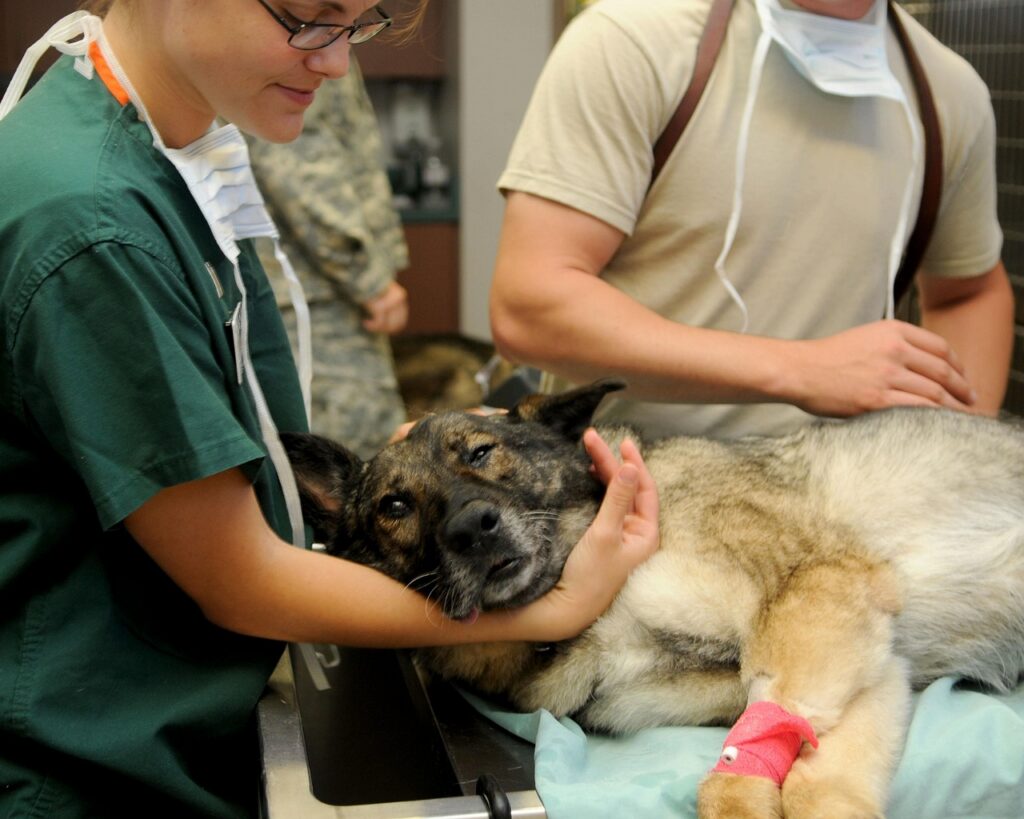
A digital X-ray unit fails the week before a busy season. An emergency case needs an in-house lab analyzer the clinic doesn’t have. A growing practice needs a second surgery suite built out to keep up with demand. In veterinary medicine, equipment decisions rarely come with the luxury of a six-week bank approval timeline — the animal in front of you needs care now, and the equipment to provide it needs to be paid for now too. That urgency is exactly why so many independent veterinary practices end up reaching for a merchant cash advance instead of a properly structured equipment loan: it’s fast, it doesn’t require the paperwork a bank does, and the money shows up in days.
The problem shows up later, once the daily debit schedule meets the actual rhythm of how a veterinary practice generates revenue. This article explains why that mismatch is particularly sharp for veterinary clinics, what’s driving so many independent practices toward MCA financing in the first place, and how clinics already carrying stacked MCA debt work their way back to stable footing.
Why Vet Practice Cash Flow Doesn't Match a Daily Debit

Veterinary medicine is unusual compared to most human healthcare businesses: there’s no insurance company reimbursement cycle to wait on. Pet owners pay at time of service, and pet insurance — where it exists — typically reimburses the owner afterward rather than paying the clinic directly. That makes veterinary revenue collection look more like retail than like a medical practice on paper. But the volume behind that revenue is anything but steady: emergency cases spike unpredictably, wellness visits and elective procedures get deferred by pet owners during their own tight financial stretches, and seasonal patterns — parasite prevention season, summer travel boarding, holiday-related emergency visits — create real swings in monthly volume.
An MCA debit sized against a trailing average of that volume can look fine on a good month and become unsustainable the moment client volume dips, which happens often given how directly household financial stress shows up in deferred pet care. Broader small business data underscores how real that stress is right now: NFIB’s Small Business Optimism Index has tracked small business sentiment sitting below its long-run average amid inflation and rising costs — exactly the kind of environment where discretionary pet care spending gets deferred first.
Why Equipment Financing Gets Skipped for MCA Debt
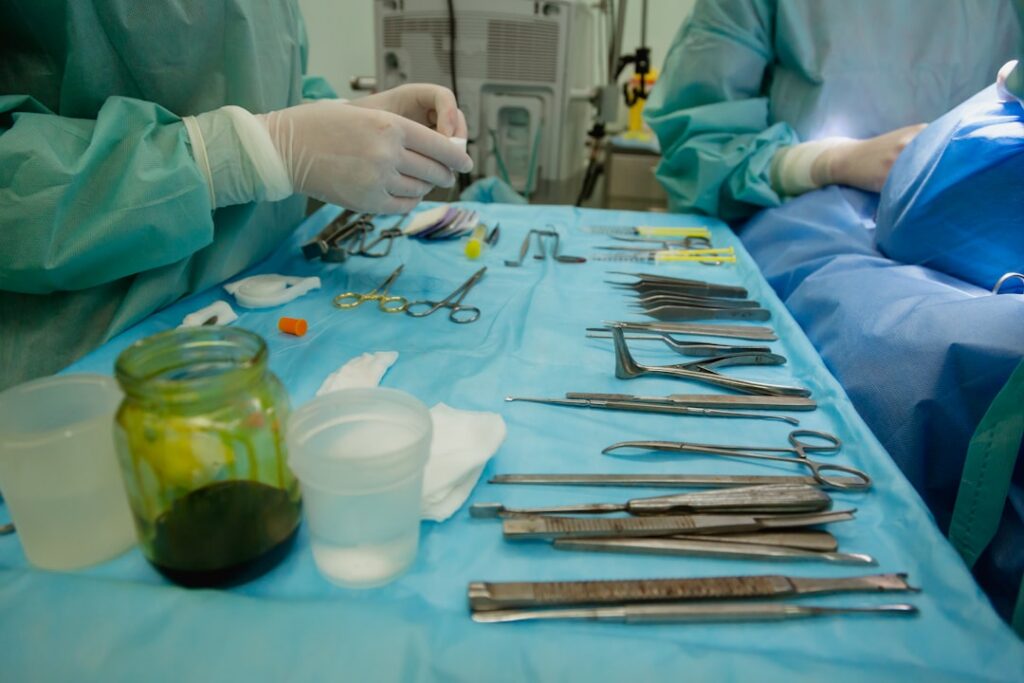
Proper equipment financing — a loan or lease secured specifically against the machine being purchased — is generally the better structural fit for a large equipment purchase, since payments can be sized to the equipment’s useful life rather than to daily cash flow. The U.S. Small Business Administration’s guidance on equipment financing and leasing lays out exactly this kind of structured approach. But that process takes time and documentation that a lot of independent practices simply don’t have on hand when a machine fails or an urgent opportunity to expand services appears, which pushes owners toward faster, less-structured financing instead.
The result is that equipment costs — which really belong on a longer, asset-matched repayment schedule — end up funded through working-capital products built for entirely different cash-flow patterns. Once one advance is in place, a second or third often follows to cover payroll or supplies while the first debit is still running, and the stacking spiral that affects many industries takes hold in veterinary practices the same way it does anywhere else.
The Competitive Pressure Independent Practices Feel

Independent veterinary practices are also operating in a market that’s consolidated significantly over the past decade, as larger corporate and private-equity-backed veterinary groups have acquired increasing numbers of individual clinics. That consolidation has changed staffing costs, referral patterns, and competitive pressure for practices that remain independent — often pushing owners to invest in equipment and facility upgrades to stay competitive on the range of services they can offer in-house, sometimes on a faster timeline than their cash reserves comfortably support.
None of this means independent practice ownership doesn’t work — plenty of clinics compete successfully. But it’s part of the honest picture of why equipment and expansion decisions in this industry often get made under real time pressure, and why MCA financing ends up filling gaps that would ideally be covered by better-matched capital.
What Actually Helps a Stacked Veterinary Practice

For a practice already carrying stacked MCA debt, a few things make the biggest difference. Getting an honest look at monthly revenue patterns — including the seasonal swings specific to the practice’s own client base — helps frame a realistic conversation with funders rather than reacting debit by debit. Separating any future equipment need from working-capital needs going forward keeps large asset purchases from repeating the same daily-debit mismatch. Broader financing conditions data, including the Federal Reserve’s ongoing research into small business financing conditions, consistently shows how thin most small businesses’ cash buffers run — which is exactly why getting ahead of a negotiated resolution before debits start bouncing matters so much.
Most importantly, a negotiated settlement or restructured plan sized to the practice’s real, seasonally variable revenue — rather than a flat daily amount — tends to be far more sustainable than trying to force the existing structure to work.
A Composite Case: The Ultrasound That Started the Stack

Consider a composite scenario built from patterns seen across many small businesses: a small animal clinic took an MCA to purchase an in-house ultrasound unit ahead of what the owner expected to be a strong season, then took two more advances over the following months to cover payroll during an unexpectedly slow winter stretch when client visits dropped. By spring, three stacked daily debits were consistently outpacing what the clinic’s revenue could support.
Working with a specialist to lay out the clinic’s actual seasonal revenue pattern, the combined balance of roughly $88,000 was resolved through a negotiated settlement at approximately $28,000, close to a 68% reduction, with a restructured schedule that better matched the practice’s real cash flow going forward. Results like this happen regularly once a business’s real revenue pattern is documented clearly for a funder, but results vary and are not guaranteed, and every practice’s numbers and every funder’s terms are different.
Match the Capital to the Practice

Veterinary practices deserve financing that fits how they actually make money — steady but seasonally variable, cash-collected but demand-driven, with real equipment needs that belong on a longer repayment horizon than a daily debit allows. When MCA debt has already stacked up trying to cover those gaps, the fix isn’t complicated in concept: an honest look at the practice’s real revenue pattern, and a resolution built around it.
Creditors may not always agree to proposed terms, and every situation is different, but a seasonally realistic negotiated resolution is very often achievable. Speak with an MCA Relief Specialist or MCA Options Specialist who can build a plan around your practice’s actual numbers, or a business attorney for contract-specific questions. This information addresses commercial business debt and is not consumer debt advice or a substitute for guidance tailored to your specific practice and contracts.
Photo credits: Featured image by National Cancer Institute on Unsplash; Section 1 by 12019 on Pixabay; Section 2 by Tima Miroshnichenko on Pexels; Section 3 by Olga Kononenko on Unsplash; Section 4 by vlaaitje on Pixabay; Section 5 by LUM3N on Pixabay; Section 6 by J. Balla Photography on Unsplash; Section 7 by Tima Miroshnichenko on Pexels.