MCA Debt and Mechanic's Liens: A Double Lien Risk

Daily MCA debits can push a contractor to fall behind on a subcontractor - and that's exactly what triggers a mechanic's lien on the client's job.
Two Liens, Two Very Different Problems
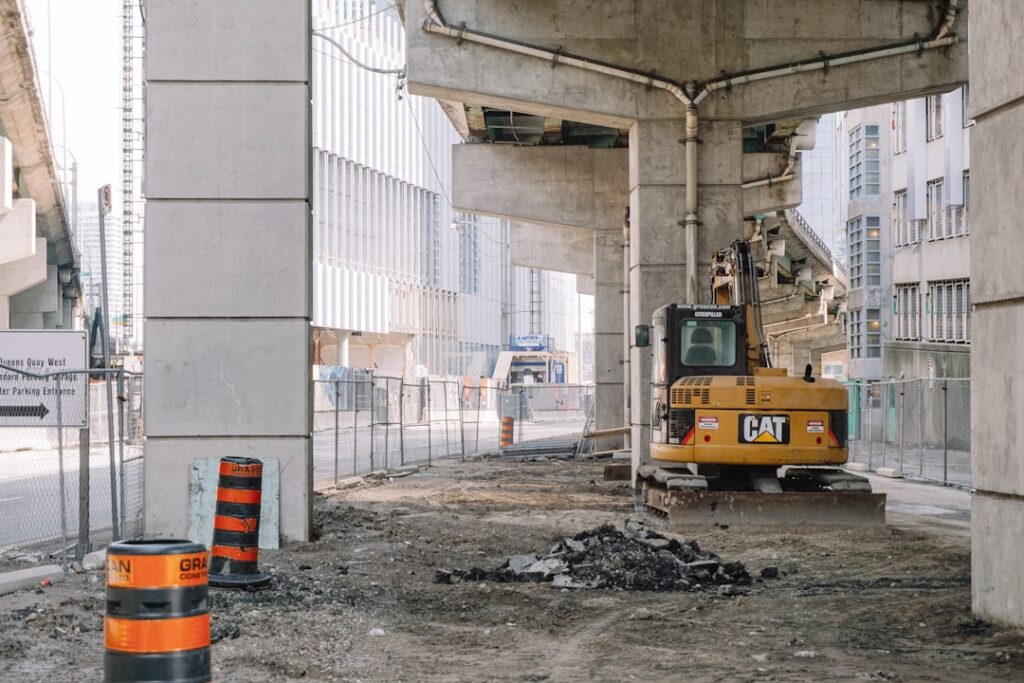
A general contractor is mid-project, daily MCA debits pulling against the operating account, when a subcontractor who hasn’t been paid on time files a lien — not against the contractor’s own business, but against the property owner’s building itself. Now there’s a construction dispute clouding the client relationship on top of an MCA balance that’s still due regardless. Two liens, filed for two completely different reasons, both landing on the same overstretched contractor at once.
This is a genuinely distinct risk from the UCC-1 liens MCA funders file against a business’s own receivables. A mechanic’s lien attaches to someone else’s real property — the job site itself — and it’s filed by whoever didn’t get paid for labor or materials on that project. This article explains what a mechanic’s lien actually is, why MCA debt makes contractors measurably more likely to end up facing one, and how to manage both risks without letting either one sink the business.
What a Mechanic's Lien Actually Is

A mechanic’s lien, as Cornell Law School’s Legal Information Institute defines it, is “a statutory security interest in real or personal property that secures payment for labor, materials, or services used to improve, repair, or maintain the property.” In construction, this means an unpaid contractor, subcontractor, or supplier can file a lien directly against the property being worked on — clouding the title and potentially blocking the owner from selling or refinancing until the underlying payment dispute is resolved.
This is a fundamentally different kind of claim from the security interests discussed elsewhere in MCA financing. A lien, broadly, is a legal right a creditor holds in someone’s property to secure a debt — and a mechanic’s lien is a specific statutory version of that right, tied to real property improvements rather than to a business’s own receivables or equipment.
Why MCA Debt Increases the Risk of Facing One

Construction payment cycles rarely move as fast as an MCA debit schedule does. Property owners and general contractors often pay on net-30, net-60, or milestone-based schedules, sometimes with retainage held back until final completion. A contractor carrying daily MCA debits is pulling cash out every single day regardless of where the project sits in that payment cycle — which leaves less cushion to pay subcontractors and suppliers on time when a project payment runs behind schedule.
That squeeze is exactly what raises mechanic’s lien risk. A subcontractor or supplier who goes unpaid past the timeline they expected has a strong incentive to file a lien to secure their claim, and most states give them a real, statutory right to do exactly that. The MCA debit didn’t cause the underlying project payment delay, but it’s very often what removes the cash cushion that would otherwise have let the contractor keep subs and suppliers current despite that delay.
The Vicious Cycle This Can Create

Once a mechanic’s lien is filed, the squeeze often gets worse rather than better. Property owners frequently withhold payment to the general contractor until a lien from anyone in the payment chain is resolved — even when the dispute is between the contractor and its own subcontractor, not with the owner directly. That means the contractor can end up with its own payment frozen precisely because of a dispute the MCA debits helped create in the first place, while the daily debits themselves keep running against an account that now has even less coming in.
This cycle is exactly why mechanic’s lien risk deserves attention as part of managing MCA debt, not as a separate, unrelated problem. A contractor that resolves the MCA side without addressing subcontractor payment timing is likely to face the same lien risk again on the next project; a contractor that manages subcontractor payments carefully but ignores an unsustainable MCA debit schedule is likely to end up back in the same cash squeeze regardless.
What Actually Reduces This Risk

A few practices make a real difference here. Getting lien waivers or releases in place when paying subcontractors and suppliers, even on partial payments, creates a documented record that reduces later lien disputes. Prioritizing subcontractor and supplier payments ahead of discretionary financing costs where at all possible protects the project relationship, since a mechanic’s lien threatens the client relationship and future work in a way that MCA debt, however serious, generally doesn’t. Understanding state-specific mechanic’s lien notice deadlines and requirements matters too, since these vary significantly and missing a deadline can affect both sides of a dispute. The U.S. Small Business Administration’s guidance on managing business finances is a solid starting point for building the kind of cash flow visibility that helps a contractor see a subcontractor payment gap coming before it becomes a lien.
When MCA debt is already part of the picture, a negotiated resolution that accounts for real construction payment timing — rather than a flat daily debit that ignores retainage and milestone payments entirely — is usually what actually breaks the cycle.
A Composite Case: The Lien That Froze the Final Payment

Consider a composite scenario built from patterns seen across many small businesses: a general contractor carrying two stacked MCA advances fell behind on payment to an electrical subcontractor while daily debits pulled cash out of the operating account faster than the project’s milestone payments were coming in. The subcontractor filed a mechanic’s lien against the property, and the property owner withheld the contractor’s final payment on the job until the lien was resolved — even though the dispute was strictly between the contractor and its subcontractor.
The contractor negotiated a payment arrangement directly with the subcontractor to secure a lien release, while a specialist separately negotiated the underlying MCA balance of roughly $91,000 down to approximately $29,000, close to a 68% reduction, with a restructured schedule built around the project’s actual milestone payment timing. Resolving both sides in parallel released the frozen final payment and let the business move forward. Results like this happen regularly when both the lien and the MCA balance are addressed together, but results vary and are not guaranteed, and every state’s lien law and every funder’s terms are different.
Manage Both Risks, Not Just One

A mechanic’s lien and MCA debt are separate legal problems with separate solutions, but they feed each other constantly on real construction projects: MCA debits that outpace real payment timing raise the odds a subcontractor goes unpaid and files a lien, and a filed lien can freeze the very payment a contractor needs to cover MCA obligations in the first place. Treating them as connected, rather than tackling one while ignoring the other, is what actually stops the cycle.
Creditors may not always agree to proposed terms, and every situation is different. Speak with an MCA Relief Specialist or MCA Options Specialist about resolving the MCA balance around your actual project payment timing, and a business attorney about any mechanic’s lien dispute, since lien law is highly state-specific and deadline-sensitive. This information addresses commercial business debt and is not consumer debt advice or a substitute for guidance tailored to your specific projects and contracts.
Photo credits: Featured image by 3345557 on Pixabay; Section 1 by Maarten van den Heuvel on Unsplash; Section 2 by Markus Winkler on Unsplash; Section 3 by flo222 on Pixabay; Section 4 by Mikey Parkin on Unsplash; Section 5 by mansour ehsani on Unsplash; Section 6 by Amina Atar on Unsplash; Section 7 by Ben Koorengevel on Unsplash.