
Ghost Kitchen MCA Debt: The Delivery Platform Squeeze
Delivery-only kitchens get MCA offers priced off gross platform sales. Here's how that gap turns into stacked debt, and how to fix it.
When the Ghost Kitchen Boom Meets the Daily Debit

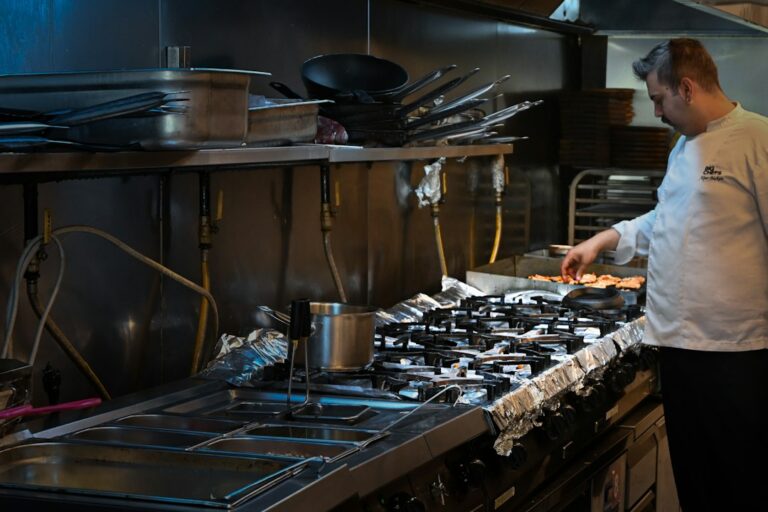
Your ghost kitchen doesn’t have a dining room, a hostess stand, or even a sign out front — just a commissary space, a stack of tablets running DoorDash, Uber Eats, and Grubhub, and an order queue that never really stops. That’s the appeal. It’s also exactly why so many delivery-only operators end up buried in stacked merchant cash advances faster than a traditional restaurant would.
Here’s the pattern: a funder looks at your gross platform sales — the number before commissions, marketing fees, and chargebacks come out — and sizes an advance to that top-line figure. You take it, because payroll and food cost don’t wait. Six months later you’ve taken a second, then a third, and the daily debit is hitting your account before the platform payout even lands. If that’s where you are right now, take a breath. This is fixable, and it does not require signing up for another advance just to survive the ones you already have.
How Ghost Kitchens End Up Overleveraged

Traditional restaurant underwriting looks at bank deposits. Ghost kitchen underwriting usually looks at platform-reported gross sales — the number DoorDash, Uber Eats, or Grubhub show before their own commission, marketing fees, and processing charges are subtracted. That gap is often 15% to 30% of every order, sometimes more once promotional placement fees are layered on top.
Funders know the platforms take that cut. Some price around it. Plenty don’t — or price around it once, then approve a second advance six months later against that same inflated top-line number, effectively counting revenue that was never fully available to begin with. The Federal Reserve’s 2026 Small Business Credit Survey notes that merchant cash advances are typically repaid as a fixed percentage of daily sales rather than a set payment amount — so when net cash is thinner than gross sales suggest, that daily draw eats a bigger share of what’s actually left than the paperwork implied.
By the time a delivery-only operator has three or four advances stacked against the same revenue stream, the daily debits alone can exceed what the business nets after commissions — before a single dollar goes to food cost, commissary rent, or payroll.
The Platform Squeeze: Commissions on Top of Commissions
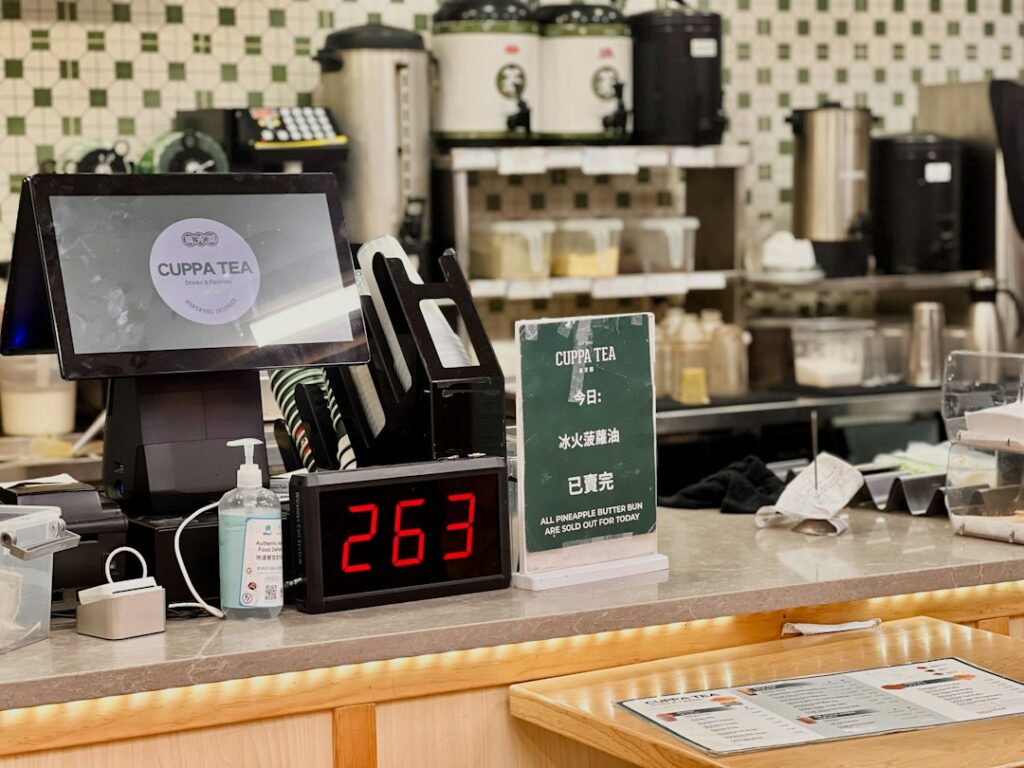
Multi-platform ghost kitchens often run two or three delivery apps at once to maximize order volume, which means two or three different commission structures, two or three different payout schedules, and two or three different definitions of “net” revenue — none of which line up neatly with a daily ACH debit that doesn’t care which platform paid out that morning.
Add a slow week — bad weather, a platform outage, a menu item running short — and the mismatch between the committed daily payment and the actual net cash becomes the whole problem. It’s the same daily-versus-weekly debit math that trips up any business with fluctuating revenue, just compressed further because the delivery platforms, not the business itself, control both the sales channel and the payout timing.
None of this makes a ghost kitchen a bad business model. Plenty of operators run lean and profitable on delivery-only volume. It just means the underwriting math and the actual cash math can drift apart quickly, and stacking advances against gross platform sales accelerates that drift.
Reconciliation Clauses and Why They Rarely Save You

Most MCA contracts include a reconciliation clause — language meant to let the daily or weekly debit adjust down when sales drop, so the payment tracks a percentage of revenue rather than a fixed dollar amount regardless of how business is going. In theory, that protects a ghost kitchen through a slow stretch.
In practice, reconciliation usually requires the business owner to proactively request it, submit updated sales documentation, and get the funder to actually process the adjustment — and funders are in no hurry to lower a payment they’re contractually owed. Multiply that friction across three or four funders simultaneously, and most owners never get the reconciliation they’re technically entitled to, especially when the sales data is split across multiple delivery platforms instead of one clean bank statement.
The U.S. Small Business Administration is blunt about this dynamic in its financing guidance: it’s on the business owner to read financing terms closely before signing, because the fine print — not the sales pitch — determines what actually happens when revenue dips.
UCC-1 Liens on a Business With No Storefront to Show

Ghost kitchens are asset-light by design — no dining room build-out, sometimes no owned equipment if the commissary is shared space. That doesn’t mean there’s nothing for a funder to secure. Most MCA agreements include a UCC-1 financing statement, filed against the business’s accounts receivable and general assets, which under the Uniform Commercial Code gives the funder a public, recorded claim on those receivables — including, in a delivery-only model, the payouts coming from DoorDash, Uber Eats, and Grubhub.
Stack four funders and a business can end up with four UCC-1 filings layered against that same thin pool of receivables, each one complicating any attempt to refinance, sell the business, or even open a new merchant account. Lenders and buyers run lien searches before they commit to anything. A cluttered UCC record on an asset-light business is one of the fastest ways to kill a legitimate exit or refinance opportunity later.
The Way Out: Negotiated Resolution, Not Another Advance

The instinct when a fourth or fifth advance gets pitched as “just enough to get through the slow season” is exactly the trap. It buys another 60 to 90 days at the cost of yet another daily debit layered on top of the ones already straining the account. The stronger move is negotiated resolution — working directly with each funder, or through a specialist who does this full-time, toward a settlement or restructured payment plan that reflects what the business can actually pay after platform commissions, not what a gross-sales number implied it could pay a year ago.
We’ve seen stacked ghost kitchen and multi-platform food businesses settle six-figure balances for 60%, 70%, even 80% off the original amount owed through structured negotiation — sometimes as a lump-sum payoff, sometimes as a longer structured plan the business can actually sustain, with a UCC release built into the final agreement. Results vary and are not guaranteed, and creditors may not always agree to proposed terms, but funders generally understand that a realistic settlement beats a defaulted account paying nothing at all.
For a business carrying genuinely unsustainable stacked debt, Subchapter V of the Bankruptcy Code — a streamlined small-business reorganization track — is also worth understanding, particularly for an asset-light operation with recurring platform revenue. U.S. Courts publishes a plain-language overview of how that process actually works.
What to Do Next

Delivery-only doesn’t mean debt-free-and-clear — if anything, the layers between your kitchen and your bank account (multiple platforms, multiple commission structures, multiple payout calendars) make it easier to end up stacked with MCA debt before anyone notices the math has stopped working. The good news: none of what’s described here is unusual, and none of it is unfixable.
If daily debits are now exceeding what actually lands in your account after platform commissions, the move is not another advance against next month’s gross sales. Talk to an MCA Relief Specialist or a business attorney about what a negotiated resolution or structured plan could look like for your specific stack of funders, before a missed payment turns into a lawsuit. This information addresses commercial business debt and is not consumer debt advice, and past performance does not predict future results — every funder, contract, and situation is different. But there is almost always a path that doesn’t involve taking on a fifth advance to survive the first four.
Photo credits: Featured image by Ahmet Safa Türkyılmaz on Unsplash; Section 1 by YouVersion on Unsplash; Section 2 by Pylyp Sukhenko on Unsplash; Section 3 by 北美餐饮通 on Unsplash; Section 4 by Carrie Allen www.carrieallen.com on Unsplash; Section 5 by Rohan G on Unsplash; Section 6 by Johan Mouchet on Unsplash; Section 7 by VinzentWeinbeer on Pixabay.