MCA Debt and Overdraft Protection: The Hidden Trap

Overdraft protection can quietly mask a dangerous MCA debt spiral. Here's how the two collide, and what to do before the holidays hit.
The Quiet Buffer That Isn't Actually Free

Your MCA payment debits every morning like clockwork. Most days your account covers it without a second thought. But lately there’s been a quiet little buffer stepping in when the balance runs thin, a few hundred dollars here, a few hundred there, automatically, no questions asked. It feels like a safety net. It’s actually something closer to a second debt stacking on top of the first one, and most business owners don’t realize it until the fees have already piled up.
That buffer is overdraft protection, and for business owners carrying a merchant cash advance, it’s one of the most underappreciated accelerants in the entire MCA debt spiral. It doesn’t show up in the factor rate. It doesn’t get mentioned in the funding agreement. But it interacts with daily ACH debits in a way that can turn a tight cash flow month into a genuine crisis, quietly, one overdraft fee at a time. This article breaks down exactly how that happens, what it actually costs you, and what options exist once you see it for what it is.
How Overdraft Protection and Daily MCA Debits Collide

Overdraft protection comes in a few flavors: a linked savings account that auto-transfers funds to cover a shortfall, a bank-offered overdraft line of credit, or plain old “courtesy pay,” where the bank simply honors the transaction anyway and charges a flat fee for the privilege. Most business checking accounts have one of these enabled by default, often without the owner remembering they ever opted in.
When a merchant cash advance debits daily or weekly against revenue that isn’t always there to meet it, overdraft protection becomes the thing that quietly keeps the MCA payment clearing even when the account genuinely can’t support it. The debit goes through. The business looks solvent on paper for one more day. But underneath, the bank has essentially fronted the gap, at its own price, which is rarely cheap and almost never disclosed in a way owners actually notice until months later.
Stack a second or third advance on top, each with its own debit hitting the same account, and the overdraft buffer stops being an occasional rescue and starts being a permanent fixture of how the business pays its bills.
The Real Cost: Fees Stacking on Top of Factor Rate
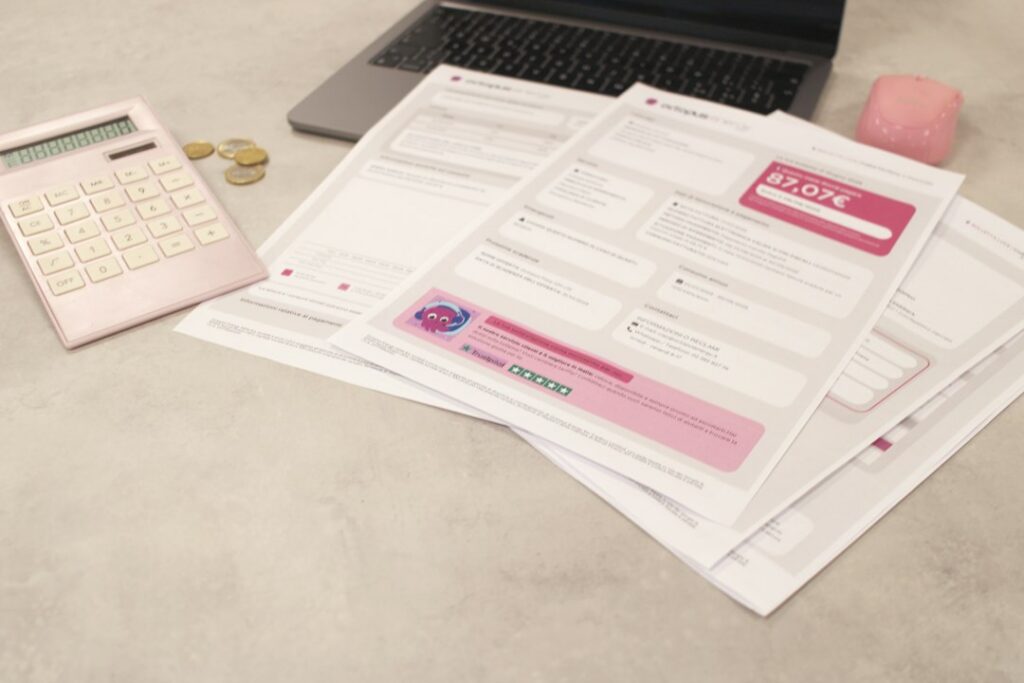
Courtesy pay fees commonly run $30 to $38 per occurrence. An overdraft line of credit typically carries its own interest rate on top of an advance fee every time it’s tapped. If an MCA debits daily and the account runs short even a handful of times a month, those fees compound fast, and they compound on top of a factor rate that may already be costing 1.2 to 1.5 times the amount borrowed.
This is where a business’s debt-service ratio, how much of incoming revenue is already spoken for by debt payments, gets genuinely dangerous. The Federal Reserve’s Small Business Credit Survey has repeatedly found that cash flow, not profitability, is what sinks otherwise-viable small businesses, and silent fee stacking is exactly the kind of drag that doesn’t show up on a P&L until it’s already done real damage.
Owners rarely add up the overdraft fees separately from the MCA payment itself. When they finally do, the combined monthly cost is often dramatically higher than the factor rate alone would suggest, sometimes enough on its own to turn a marginal month into a losing one.
Why This Masks the Real Problem Instead of Solving It

The danger of overdraft protection isn’t the fee itself, it’s what the fee lets the owner avoid feeling. As long as the MCA debit keeps clearing, nothing forces the hard conversation about whether the current payment structure is sustainable. Owners describe going months this way: payments technically “current,” balance always skating along the bottom, overdraft fees treated as a routine cost of doing business rather than a symptom of something that needs fixing.
Banks notice too. Frequent overdraft activity on a business account is one of the patterns that can prompt a bank to reduce available credit, flag the account for review, or decline to renew a line of credit when it comes up for renewal, often at precisely the moment a business needs that flexibility most. The CFPB’s small-business lending research has tracked how tightening credit access compounds exactly this kind of cash flow strain for small firms already carrying high-cost debt.
What Actually Breaks the Cycle

Here’s the good news: once an owner recognizes overdraft protection for what it is, a stopgap, not a solution, there are real paths forward, and they don’t require taking on another advance to fund the last one. A negotiated resolution with the MCA funder can restructure the payment itself, which is the thing actually causing the overdraft problem in the first place.
Depending on the number of funders involved and the total balance, that can look like:
- A structured payment plan that lowers the daily or weekly draw to something the account can actually sustain without tripping overdraft every week
- A lump-sum settlement, often well below the original balance, that ends the debits entirely
- A reverse consolidation, when multiple funders are debiting the same account and the stacking itself is the core problem
We’ve seen six-figure stacked balances resolved through structured negotiation at 70%, 80%, even 90% reductions in past settlements. Results vary and are not guaranteed, but the point stands: the fix is almost always cheaper and faster than letting overdraft fees quietly absorb the symptom for another six months.
Why the Next Few Weeks Matter More Than Usual

Fall is exactly when this problem tends to come to a head. Holiday inventory financing pressure is building for retail and seasonal businesses, Q4 revenue swings are starting to show up in the bank balance, and funders typically get more aggressive about collections and renewals heading into year-end. An account that’s been quietly absorbing overdraft fees all summer often can’t absorb a holiday inventory draw on top of it.
This is the window to get ahead of it rather than behind it. The SBA’s guidance on managing business finances stresses exactly this: cash flow problems compound when owners delay acting on them, and Q4 is when that delay gets expensive fast. Reviewing the actual math now, what the MCA is really costing once fees are added in, and whether the current structure can survive the holidays, is the difference between walking into Q4 with a plan and walking in hoping the overdraft buffer holds one more time.
What to Do Next

Overdraft protection isn’t the enemy here, it’s just doing exactly what it’s designed to do, which is keep a transaction clearing no matter what. The problem is treating that as proof the current MCA payment is sustainable, when it’s actually evidence that it isn’t. If courtesy pay fees or an overdraft line have become part of your monthly routine, that’s the signal to look at restructuring the advance itself, not the account that’s compensating for it.
An MCA Relief Specialist can review your funding agreements, calculate what a structured plan or lump-sum settlement would actually look like, and tell you honestly whether a reconciliation clause or hardship request applies to your situation before you head into the holidays. For guidance on your specific situation, speak with an MCA Relief Specialist or a business attorney. Every situation is different, creditors may not always agree to proposed terms, and results vary and are not guaranteed. This information addresses commercial business debt and is not consumer debt advice.
Photo credits: Featured image by Vitaly Gariev on Unsplash; Section 1 by El Jundi on Pexels; Section 2 by Money Knack on Unsplash; Section 3 by Giorgio Tomassetti on Unsplash; Section 4 by Vitaly Gariev on Unsplash; Section 5 by Milos Lopusina on Unsplash; Section 6 by Jonny Gios on Unsplash; Section 7 by Fotos on Unsplash.