MCA Debt and Farm Operations: Crop Lien Risks

Farm revenue lands once or twice a year. Federal law also treats liens on crops and livestock differently than most other business collateral.
One Harvest, One Payment, One Daily Debit

A farm operation takes an MCA to cover seed, fertilizer, and equipment repair costs ahead of planting, expecting to pay it back once the crop sells at harvest. That’s a completely reasonable plan for the farm’s own cash flow — row crop revenue often lands once or twice a year, not in a steady daily stream. It’s a much worse fit for how a merchant cash advance is actually structured: a debit hitting the account daily or weekly, month after month, regardless of whether the farm has sold anything yet.
On top of that basic timing mismatch, farm operations face a legal wrinkle that most other small businesses don’t: federal and state law treat liens on farm products — crops and livestock — differently than liens on most other kinds of business collateral. This article explains why the MCA debit schedule clashes so badly with a harvest-driven revenue cycle, what that legal wrinkle actually means, and what farm operations already carrying stacked MCA debt can do about it.
Why MCA Debits Clash With the Harvest Cycle

Most MCA underwriting sizes a daily or weekly debit against a trailing average of recent deposits, which works reasonably well for a business with continuous transaction volume. Farm revenue doesn’t look like that at all — it’s concentrated in a narrow window around harvest or livestock sale, with long stretches in between where deposits may be minimal regardless of how much work and expense is going into the operation. A debit sized against a post-harvest deposit spike will almost certainly outpace what the account can cover during the growing season that follows.
Weather and yield variability make this worse rather than better. A farm operation planning around an expected harvest date and expected yield is already managing real uncertainty before any financing is added to the picture; a fixed daily debit schedule adds a rigid obligation on top of a revenue timeline that was never predictable to begin with.
The Legal Wrinkle: Farm Products Aren't Ordinary Collateral
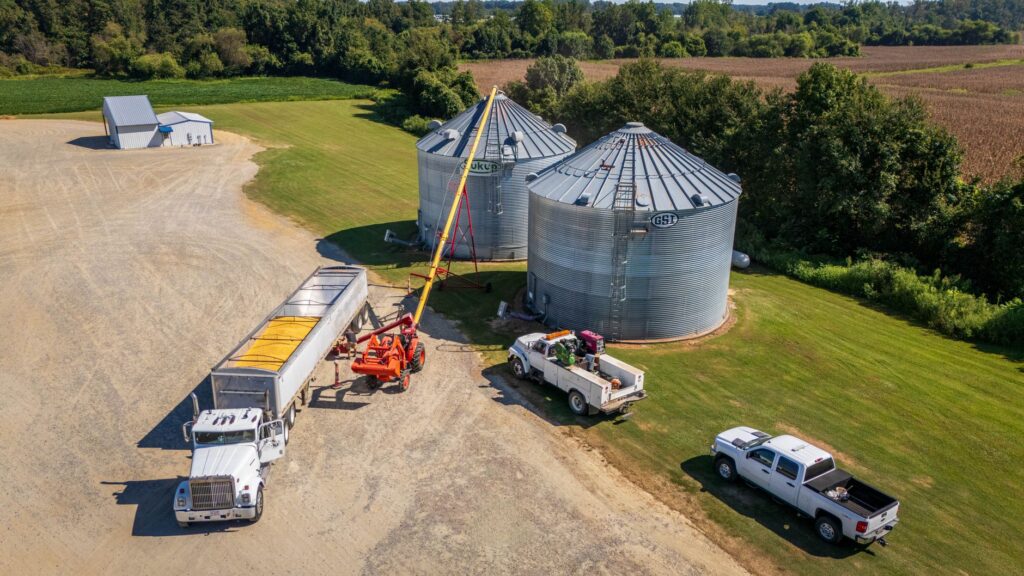
Under federal law, buyers of farm products get special protection that doesn’t exist for most other kinds of business collateral. The Food Security Act of 1985, codified at 7 U.S.C. § 1631, generally allows a buyer of farm products — a grain elevator, a livestock buyer, a processor — to purchase those products free of a lender’s security interest, even one properly filed and perfected, unless the lender gave the buyer direct notice of the lien or the farmer was listed on a state central filing or notice system the buyer is required to check.
In plain terms: an MCA funder’s blanket UCC-1 claiming a farm’s crops or livestock — a category the Uniform Commercial Code specifically defines as “farm products” — as collateral doesn’t automatically follow those products once they’re sold to a buyer in the ordinary course of business, the way a lien on most other collateral would. This is a genuinely different legal landscape than the equipment or receivables liens most MCA disputes involve, and it’s a detail that surprises a lot of both farm operators and funders who assume ordinary UCC priority rules apply the same way to crops and livestock as to everything else.
Why This Doesn't Simplify the Situation

None of this means MCA debt on a farm operation is somehow easier to walk away from. The Food Security Act protects buyers of farm products from a lien following the sale — it doesn’t discharge the farm’s own underlying debt to the MCA funder, and it doesn’t change the funder’s ability to pursue the farm operation directly, or any assets that aren’t farm products moving through a sale. State-specific agricultural lien statutes add another layer — some states give input suppliers, landlords under crop-share arrangements, or veterinarians their own statutory liens with particular priority rules that can supersede even an earlier-filed blanket lien.
The upshot is that lien priority disputes involving farm products are genuinely more complex and state-specific than most other MCA collateral disputes, and they’re not the kind of question a farm operator should try to sort out alone in the middle of a cash crunch.
What Actually Helps a Stacked Farm Operation

Regardless of how the lien technicalities shake out, the most direct path forward is usually a negotiated resolution on the underlying MCA balance itself, timed to the farm’s actual harvest or sale schedule rather than a flat daily amount. The U.S. Small Business Administration’s guidance on managing business finances is a reasonable starting point for building the kind of clear financial documentation — expected yield, historical sale timing, input costs — that makes a seasonally structured settlement proposal credible to a funder.
Getting a lien search done on the operation, and involving an attorney familiar with agricultural lien law specifically, is worth doing early if multiple creditors (input suppliers, an MCA funder, a landlord under a crop-share agreement) are all potentially claiming an interest in the same crop or herd. This is genuinely specialized legal territory, and getting it sorted out correctly protects both the farm’s ability to sell its products and its standing with every creditor involved.
A Composite Case: Settled Before the Next Planting Season
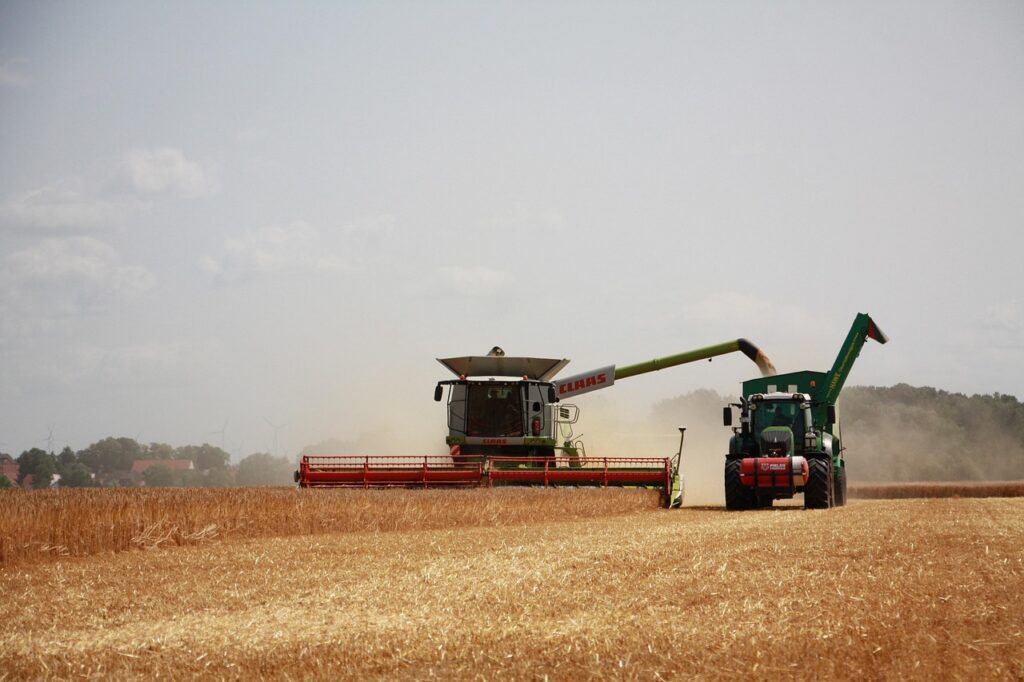
Consider a composite scenario built from patterns seen across many small businesses: a row crop farm took two stacked MCA advances to cover input costs ahead of a growing season that ultimately produced a below-average yield due to weather. Daily debits sized against the prior year’s stronger harvest quickly outpaced what the leaner season’s cash flow could support, and both advances moved toward default well before the next harvest was ready to sell.
Working with a specialist to lay out the farm’s actual harvest timeline and realistic yield expectations, the combined balance of roughly $97,000 was resolved through a negotiated settlement at approximately $31,000, close to a 68% reduction, with the payment structure timed to the following harvest’s expected sale rather than a flat daily schedule. Results like this depend heavily on documenting the operation’s real cycle clearly, and results vary and are not guaranteed — every farm’s crop, weather, and funder situation is different.
Match Financing to the Growing Season

Farm operations run on a fundamentally different cash flow calendar than most small businesses, and MCA financing sized around a daily debit assumption rarely respects that. Add the unique federal and state legal treatment of liens on crops and livestock, and farm operations carrying MCA debt are dealing with genuinely more complex terrain than most industries this kind of financing serves.
Creditors may not always agree to proposed terms, and every situation is different, but a resolution built around the farm’s real harvest cycle is very often achievable. Speak with an MCA Relief Specialist or MCA Options Specialist who can build a plan around your operation’s actual sale timing, and an attorney experienced in agricultural lien law for questions specific to crop or livestock liens. This information addresses commercial business debt and is not consumer debt advice or a substitute for guidance tailored to your specific operation and contracts.
Photo credits: Featured image by ybernardi on Pixabay; Section 1 by Damir K . on Pexels; Section 2 by rajbhor52 on Pixabay; Section 3 by Mark Stebnicki on Pexels; Section 4 by TheDigitalArtist on Pixabay; Section 5 by rawpixel on Pixabay; Section 6 by andystrauss on Pixabay; Section 7 by trilemedia on Pixabay.