MCA Debt Settlement: How the Process Works

Settlement is the most common resolution for defaulted MCA debt — and funders settle more often than most business owners expect. Here's exactly how the process works from start to finish.
Settlement Is Strategy, Not Surrender

The word “settlement” carries a connotation most business owners don’t like — it sounds like giving up, like admitting defeat on a debt you couldn’t pay. That framing is wrong, and it’s worth correcting before anything else. Settlement is the most common way that defaulted MCA debt gets resolved. It is a negotiated business outcome that both parties agree to because it produces a better result than the alternative — which, for the funder, is expensive litigation with uncertain recovery, and for the business owner, is a judgment and continued financial paralysis.
Settlement of MCA debt specifically means this: the funder agrees to accept less than the outstanding balance as final and complete satisfaction of the debt, in exchange for payment — either a lump sum or a structured plan. The advance is closed. The UCC-1 lien is terminated. The debt is gone.
We’ve seen businesses cut their MCA obligations by 40%, 60%, 70%, even more through structured settlement. Those aren’t outliers — they reflect what’s possible when the negotiation is handled strategically, with documentation, and by people who understand how MCA funders evaluate their own recovery options. Results vary and are not guaranteed, but the range of outcomes in past completed cases is genuinely encouraging.
Why MCA Funders Settle for Less

The most common objection from business owners who haven’t been through this process is: “Why would the funder ever settle for less? They hold all the cards.” The answer is that MCA funders are financial businesses, not collection agencies with unlimited patience. Their decision to settle — and at what amount — is driven by a straightforward recovery calculation.
Litigation is expensive. A commercial lawsuit involving a defaulted MCA advance can cost a funder $5,000–$25,000 or more in legal fees, with no guarantee of collection even if they win a judgment. Collection efforts against a struggling business often produce little — garnishment of a bank account with a near-zero balance recovers nothing. The legal process takes months or years. During that time, the funder’s capital is tied up, their collections team is committed, and their legal costs accumulate.
Against that alternative, a settlement at $0.30 on the dollar today — in cash, now, with no legal costs — is often the rational choice. According to the SBA’s business finance guidance, creditors in commercial debt situations routinely evaluate recovery probability when deciding whether to pursue collection or accept a discounted settlement. MCA funders operate by exactly the same logic.
Lump Sum vs Structured Payment Settlement

Most MCA funders strongly prefer lump-sum settlements. A lump sum means immediate, certain recovery — no ongoing monitoring of payment compliance, no risk that the structured plan falls apart six months in. For this reason, lump-sum offers typically produce the deepest reductions. We’ve seen lump-sum settlements as low as $0.10–$0.25 on the dollar in past cases for advances that were deeply in default with funders who had limited recovery prospects.
Structured payment plans are also possible. Funders will sometimes agree to a settlement amount paid over 3, 6, or 12 months — particularly when a lump sum is genuinely out of reach. The tradeoff: structured plans typically settle at a higher percentage of the outstanding balance than lump sums, because the funder is accepting payment risk over the plan period. The agreement should always specify what happens if a plan payment is missed and should include a UCC-3 termination schedule tied to final payment.
One completed case: a $22,050 advance was settled at $11,000 payable at $1,000/month over 11 months, with full UCC release on the final payment. Another: a $47,968 balance was resolved for a $13,000 lump sum — a 73% reduction. The right structure depends on your available cash and the specific funder’s preferences. Past performance does not predict future results.
What the Settlement Timeline Looks Like
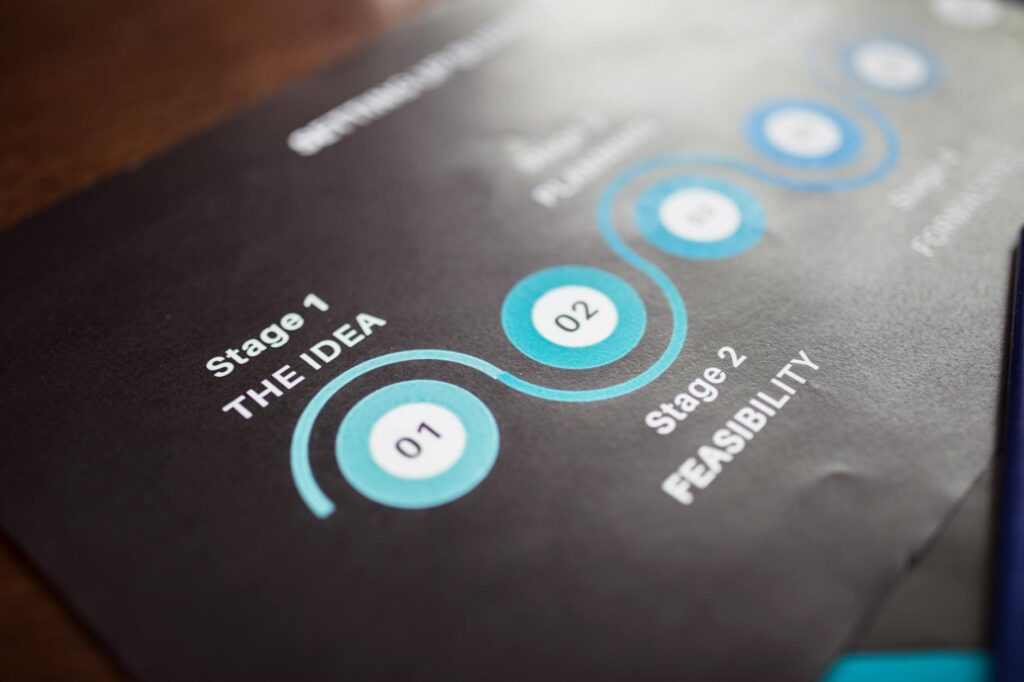
From first contact with a specialist to signed settlement agreement, most straightforward MCA settlements take between 30 and 90 days. Complex cases — multiple funders, active litigation, or judgments entered under a confession of judgment, as defined by Cornell Law School’s Legal Information Institute — take longer. Here’s what the process typically looks like:
- Week 1–2: Financial review. Your specialist documents your business’s financial position: outstanding balances across all funders, monthly revenue, operating expenses, available cash. This documentation is the foundation of every offer.
- Week 2–4: Initial outreach to funders. Your specialist contacts each funder, establishes the hardship position, and opens settlement discussions. Some funders respond immediately; others take longer.
- Week 3–8: Offer and counter-offer. This is the negotiation phase. First offers from funders are almost never final. Creditors may not always agree to proposed terms on the first round, but experienced negotiators know what each funder’s floor typically looks like.
- Final week: Agreement drafting, review, signing. The written settlement agreement should cover: the final settlement amount, payment timing, UCC-3 termination, and a full release of claims. Do not make payment until the agreement is signed.
After the settlement is executed and the agreed payment is made, the funder files the UCC-3 termination. The lien is released. The debt is resolved.
What You Need to Prepare Before Negotiating

The strength of your settlement position is directly tied to how well-documented your financial hardship is. Funders evaluate two things: how much you owe them, and how much you realistically can pay. The more clearly you can demonstrate that aggressive litigation and collection would produce worse recovery than a negotiated settlement, the more leverage the negotiation carries.
Prepare these before any settlement discussions begin:
- Bank statements for the past 3–6 months (showing revenue and cash position)
- A complete list of all MCA advances: funder name, original amount, current outstanding balance, daily debit amount, and default status
- Monthly P&L or income/expense summary showing business financial position
- Any default notices, lawsuit filings, or COJ documents you have received
The Federal Reserve’s Employer Firms report notes that small businesses with documented financial distress are treated differently by creditors than businesses that simply stop paying without explanation. Documentation is not just paperwork — it is the evidence that a settlement offer reflects genuine financial reality, not a negotiating gambit.
Real Settlement Results from Completed Cases

The numbers from completed settlements speak for themselves. These are actual resolved cases — not projections, not best-case scenarios:
- $96,675 balance settled for $20,210 — 79% reduction
- $211,591 judgment avoided and settled for $61,000 — 72% reduction
- $47,968 balance settled for $13,000 — 73% reduction
- $50,000 purchased amount settled for $15,000 — 70% reduction
- $28,613 balance resolved for $2,861 — 90% reduction
- $43,366 balance settled for $19,515 — 55% reduction
- $148,252 balance negotiated to $88,956 — 40% reduction
The range reflects the reality: outcomes vary based on the funder, the contract terms, how far into default the case was, available cash for settlement, and the quality of the negotiation. Some funders settle more readily than others. Past performance does not predict future results — but the consistent theme across these cases is that funders, when faced with a well-documented hardship position and a credible settlement offer, settle far more often than business owners expect.
How to Start the Settlement Process

The starting point is simpler than most business owners expect: gather your MCA contracts and your last three months of bank statements, and get on the phone with an MCA Relief Specialist who can walk through your specific situation. No lengthy application, no credit check, no commitment. One conversation to understand what you’re dealing with and what a realistic resolution path looks like.
The single most important thing to avoid: attempting to negotiate directly with funders on your own, especially if litigation or COJ risk is involved. Funders have experienced collections teams. The language you use in early calls can affect your settlement position. What you disclose — and what you don’t — matters. An experienced specialist knows how to open these discussions in a way that preserves your options rather than closing them off.
This article is general information about commercial business debt and is not consumer debt advice, legal advice, or financial guidance for your specific situation. Results vary and are not guaranteed. Creditors may not always agree to proposed terms. But settlement is a real path — it has worked for businesses across industries and debt levels — and the first step is understanding exactly where you stand.
Photo credits: Featured image by Mikhail Nilov on Pexels; Section 1 by www.kaboompics.com on Pexels; Section 2 by RDNE Stock project on Pexels; Section 3 by Leeloo The First on Pexels; Section 4 by RDNE Stock project on Pexels; Section 5 by SHVETS production on Pexels; Section 6 by RDNE Stock project on Pexels; Section 7 by Kampus Production on Pexels.